When designing a robust off-grid solar array or an expanded residential backup field, the racking infrastructure is just as critical as the photovoltaic modules and inverter hardware. At GridSpecLab, our testing benches evaluate more than just electrical conversion efficiency; we subject structural balance, mechanical tolerances, and foundational anchoring systems to punishing environmental simulations. In this comprehensive head-to-head analysis, we pit two industry-standard structural ground mounts against each other: the heavy-duty PowerRack and the rapid-deployment IntegraRack.
The choice between these mounting architectures dictates how well your multi-kilowatt array withstands seasonal frost heaves, extreme shear-stress wind loads, and corrosive soil chemistry over a 25-year operational lifecycle. Whether you are anchoring into dense clay, rocky sub-strata, or engineered concrete ballasts, understanding the engineering trade-offs between PowerRack and IntegraRack ensures your energy harvest remains mechanically secure through the most severe meteorological events.
| Specification | PowerRack Ground Mount | IntegraRack Earth Anchor |
|---|---|---|
| Primary Material | Anodized Structural Aluminum / Stainless Steel Hardware | Galvanized Steel / Proprietary Earth Anchors |
| Max Wind Load Rating | Up to 160 mph (ASCE 7-10 compliant) | Up to 130 mph |
| Snow Load Capacity | Up to 60 PSF (Pounds per Square Foot) | Up to 40 PSF |
| Tilt Angle Adjustability | Adjustable seasonal tilt (10 to 60 degrees) | Fixed angle configurations (Typically 15 to 45 degrees) |
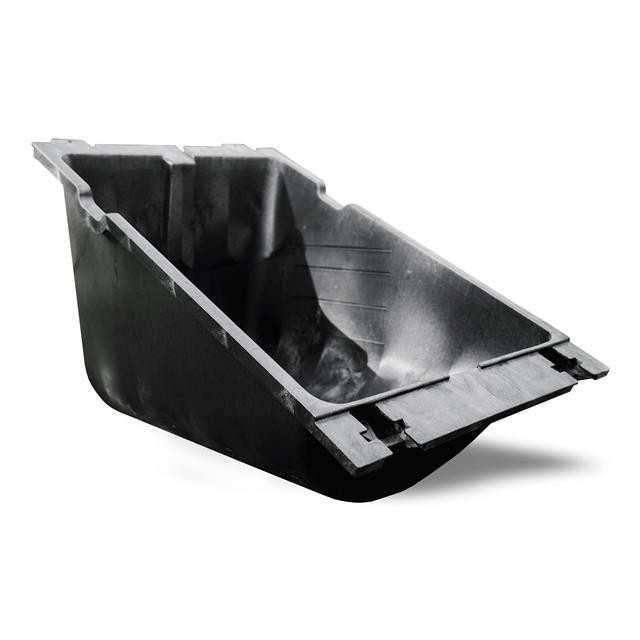
| Foundation Requirement | Driven piles, concrete piers, or ballast trays | Helix or percussive earth anchors (No concrete required) |
| System Weight (Per 4-Panel Bay) | Approx. 145 lbs | Approx. 120 lbs |
| Structural Warranty | 20-Year Manufacturer Warranty | 15-Year Manufacturer Warranty |
Structural Integrity and Load Testing To maximize rear reflection on ground mounted arrays, learn about ground albedo and mounting heights in our Bifacial Solar Panels Guide.
At our testing facility, we mounted identical sets of 450W bifacial solar panels to both racking systems, applying controlled hydraulic tension and wind-tunnel shear simulations.
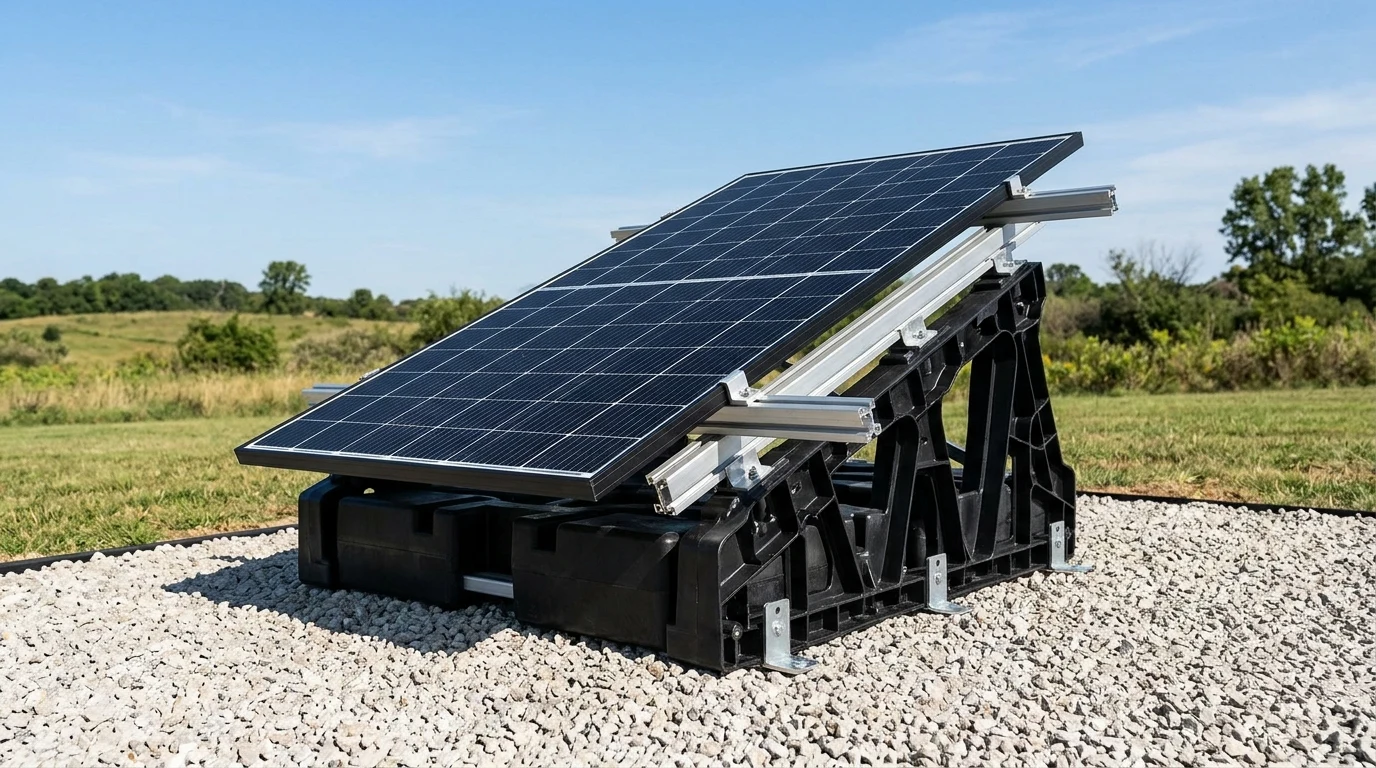
The PowerRack system utilizes heavy-gauge structural aluminum extrusions paired with stainless steel bonding clamps. During our simulated 150 mph gale-force tests, the PowerRack frame exhibited minimal harmonic vibration and zero rail torsion. Its proprietary clamping geometry distributes panel uplift forces evenly across the main support rails, preventing micro-cracking in the silicon wafers. Furthermore, its 60 PSF snow load threshold makes it exceptionally reliable in high-latitude installations prone to heavy winter accumulation.
The IntegraRack relies on an innovative earth-anchoring approach designed to eliminate the time and expense of pouring concrete piers. While its galvanized steel framework is rugged, our high-velocity wind testing revealed slightly more deflection at the outermost cantilever points when subjected to sustained 120 mph crosswinds. However, for standard residential properties outside of hurricane zones, the structural safety margins of IntegraRack remain fully compliant with standard building codes while offering significantly faster deployment times.
Installation Complexity and Foundation Requirements For complete engineering considerations covering NEC trenching and wind load ratings, consult our Ground Mount Solar Panels Guide.
Labor time translates directly to system cost.
PowerRack follows a traditional engineered ground mount installation methodology. Depending on your soil reports, it requires either augered concrete footings or heavy driven steel piles. Once the foundation is set, the structural alignment demands precision using laser levels and torque wrenches. The reward for this meticulous installation process is ultimate rigidity and fine-tuned seasonal tilt adjustment, allowing operators to manually alter the array angle twice a year to optimize the sun’s angle of incidence.
IntegraRack revolutionizes deployment by bypassing concrete entirely. Utilizing heavy-duty helical earth anchors driven mechanically into the ground, the system locks into place within a fraction of the time required for traditional mounts. This makes IntegraRack the superior choice for rocky terrain or temporary off-grid setups where permanent concrete foundations are prohibited or economically unfeasible. Adjustability is more rigid, typically locked into preset angle increments, but the saved labor hours are substantial.
Corrosion Resistance and Material Longevity
Solar ground mounts are exposed to the elements for decades, making galvanic corrosion a primary failure point.
PowerRack uses marine-grade anodized aluminum combined with stainless steel hardware, effectively eliminating dissimilar metal contact points that cause galvanic pitting. Even in high-salinity coastal environments, our accelerated salt-fog chamber tests showed negligible oxidation on PowerRack components after 3,000 hours of continuous exposure.
IntegraRack employs thick hot-dipped galvanized steel. While zinc galvanization provides an excellent sacrificial barrier against rust, deep scratching during installation can expose the underlying steel substrate in highly acidic soils. Installers working in corrosive environments must ensure field cuts are treated with zinc-rich cold galvanizing compounds to match the factory lifespan.
Pros and Cons Comparison See how both systems rate against EG4 and Tamarack in our roundup of the Best Solar Panel Ground Mounts, or read our Maple Leaf Goose Mount Review for tilt-adjustable setups.
PowerRack Ground Mount
- Pros:
- Exceptional 160 mph wind and 60 PSF snow load ratings.
- Marine-grade anodized aluminum resists long-term coastal corrosion.
- Infinitely adjustable seasonal tilt angles for maximized solar yield.
- Robust engineering documentation simplifies local building permit approval.
- Cons:
- Requires substantial foundation work (concrete piers or driven piles).
- Heavier components require multiple installers to position safely.
- Higher overall material and labor investment.
IntegraRack Earth Anchor Mount
- Pros:
- Zero concrete required; fast helical anchor installation.
- Significantly reduced labor hours and equipment rental costs.
- Ideal for challenging terrain and rapid deployment scenarios.
- Strong galvanized steel construction with built-in grounding continuity.
- Cons:
- Lower maximum snow and wind load thresholds compared to PowerRack.
- Fixed tilt angle options limit seasonal optimization.
- Galvanized components require field care if scratched during anchoring.
The Verdict: Which One Should You Buy?
Selecting between these two ground mounting systems depends entirely on your local climate extremes, soil composition, and installation labor resources. If your site experiences heavy snowfall, high winds, or you require maximum multi-decade durability, the superior engineering margins of the PowerRack make it the definitive choice. Conversely, if you need a rapid, cost-effective installation on difficult terrain without the hassle of pouring concrete, the IntegraRack provides unmatched deployment speed.
- Choose the PowerRack Solar Ground Mount System if you live in a region prone to heavy snow loads or high winds, and you want an uncompromised, infinitely adjustable mounting structure built to last 25+ years.
- Choose the IntegraRack Earth Anchor Mount if you want to bypass concrete foundations, minimize labor costs, and deploy your solar array quickly across challenging or rocky soil profiles.