Installing residential solar panels is one of the most substantial financial investments most homeowners will ever make in their property. Yet obtaining a direct, uninflated price estimate remains surprisingly difficult.
Contractors routinely quote wildly divergent prices—ranging from $18,000 to over $40,000 for virtually identical 8 kW system capacities—while burying sales commissions, financing dealer fees, and permitting markups in confusing monthly payment proposals.
Whether you plan to hire a turnkey local installer, build a modular DIY hybrid system with server rack batteries, or deploy a high-capacity portable solar generator for blackout protection, this 2026 Solar Cost Guide gives you the transparent, line-item component pricing and real-world benchmarks needed to evaluate any quote with absolute confidence.
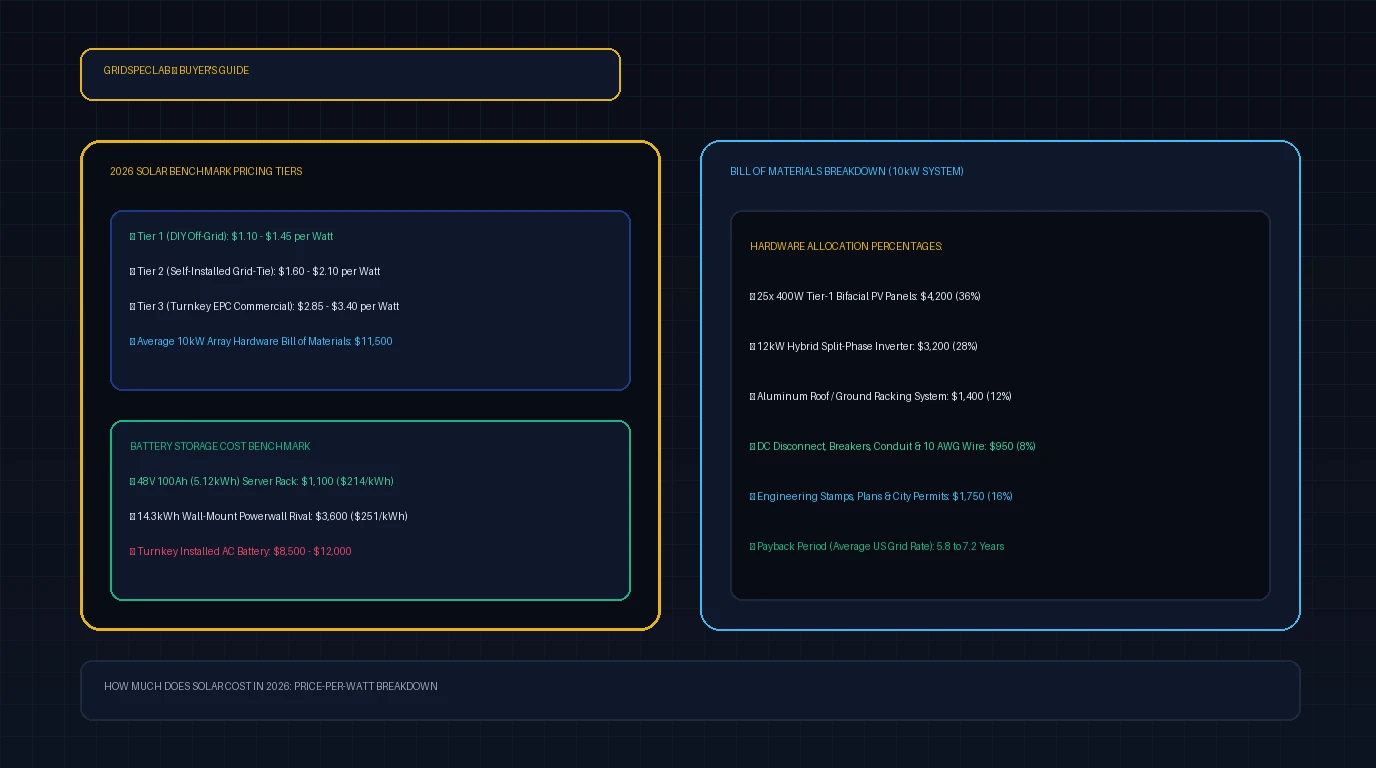
A standard 8 kW residential solar array costs an average of $23,200 gross ($2.90/Watt) for turnkey professional installation. After the 30% federal clean energy tax credit (Section 25D), the net out-of-pocket cost drops to $16,240. Pairing this array with 15 kWh of LiFePO4 battery storage brings total gross cost to $31,500 ($22,050 net). Homeowners choosing a self-installed DIY component architecture (using modular hybrid inverters and 48V server rack batteries) spend just $9,500 to $13,000 net for an identical capacity system.
Open Interactive Runtime & Sizing Calculator →
The Core Metric: Understanding Cost Per Watt
In the solar industry, system costs are normalized using the metric Cost per Watt ($/W):
For example, if an installer quotes $24,000 for an 8 kW (8,000 Watt) solar array:
2026 Cost per Watt Benchmarks
$2.65 to $3.20 / Watt
Includes full engineering plan sets, utility net metering paperwork, structural engineering stamps, professional roof mounting, licensed electrical wiring, and multi-year craftsmanship warranties.
$1.15 to $1.50 / Watt
Homeowner purchases wholesale Tier-1 panels, hybrid inverters (e.g. EG4 or Sol-Ark), and racking directly. Cuts contractor labor, sales commissions, and overhead margins completely.
$3.80 to $4.80+ / Watt
Door-to-door salesmen and national marketing aggregators. Often inflates principal loan balances by 25% to 35% to buy down interest rates to teaser rates (“dealer fees”). Avoid at all costs.
Line-Item Anatomy: Where Your Money Actually Goes
When you receive a $25,000 solar installation quote, where does that money actually go? Hardware represents less than half of the total price:
| Component / Service | Cost Share (%) | Cost for an 8 kW Array | Technical Description |
|---|---|---|---|
| Photovoltaic Panels | 18% – 22% | $4,000 – $5,200 | Twenty 400W Tier-1 N-Type TOPCon or bifacial monocrystalline panels ($0.50–$0.65/W wholesale). |
| Inverter Architecture | 12% – 16% | $2,800 – $3,800 | String inverter with DC optimizers, hybrid inverter (EG4/Sol-Ark), or Enphase microinverters. |
| Racking & Balance of System (BOS) | 8% – 11% | $1,800 – $2,500 | Roof rails, flashing, grounding lugs, 10 AWG PV copper wire, conduit, junction boxes, and AC/DC disconnects. |
| Direct Installation Labor | 14% – 18% | $3,200 – $4,200 | Certified electrician and roofing crew labor (typically 24 to 36 person-hours of on-site work). |
| Permitting, Interconnection & CAD | 6% – 8% | $1,400 – $1,900 | City building permits, structural engineering wet stamps, electrical schematics, and utility PTO fees. |
| Installer Overhead, Margin & Sales | 28% – 35% | $6,500 – $8,500 | Sales commission ($2,000–$3,500), customer acquisition costs, business insurance, vehicle fleet, and profit. |
Sizing Tiers and Real-World Price Matrix
Residential solar costs scale with system capacity. Because permitting, engineering, and electrician truck rolls carry fixed overhead costs, larger systems achieve a lower overall Cost per Watt:
| System Size (kW) | Annual Generation (kWh) | Gross Turnkey Cost | Net Cost (after 30% ITC) | DIY Component Cost | Ideal Home Profile |
|---|---|---|---|---|---|
| 5 kW (12 Panels) | 6,500 – 7,500 | $15,500 | $10,850 | $6,800 | 1,200 sq ft condo or energy-efficient home without electric HVAC. |
| 8 kW (20 Panels) | 10,500 – 12,000 | $23,200 | $16,240 | $9,800 | Standard 2,000 sq ft US home; covers 100% of average household use. |
| 10 kW (25 Panels) | 13,000 – 15,000 | $28,500 | $19,950 | $12,200 | 2,500 sq ft home with central AC and swimming pool pump. |
| 12 kW (30 Panels) | 15,500 – 18,000 | $33,600 | $23,520 | $14,500 | Large all-electric home with heat pump heating and EV charging. |
| 15 kW (38 Panels) | 19,500 – 22,500 | $41,000 | $28,700 | $17,800 | Large rural estate, workshops, or multiple electric vehicles. |
Battery Storage Costs: Adding Resilience and Arbitrage
Adding battery storage to a solar array significantly alters the financial equation. While standalone solar provides no power during grid blackouts (due to mandatory anti-islanding safety disconnects), home batteries provide seamless backup power.
In 2026, home battery storage pricing breaks down into two primary categories:
Proprietary AC Batteries (Tesla Powerwall, Enphase, SolarEdge)
- Average Equipment + Install Cost: $9,500 to $14,000 per 13.5 kWh module (before incentives).
- Net Cost after 30% ITC: $6,650 to $9,800.
- Pros: Clean wall-mounted aesthetics, seamless software integration, nationwide installer support.
- Cons: High cost per kilowatt-hour ($700–$1,000/kWh), closed proprietary ecosystems.
Open-Standard 48V Server Rack Batteries (EG4, Ruixu, SOK)
- Average Equipment Cost: $1,200 to $1,450 per 5.12 kWh module ($240 to $280 per kWh).
- Net Cost after 30% ITC: $840 to $1,015 per module.
- A 15.36 kWh 3-Battery Bank: Costs just $3,900 to $4,350 in hardware ($2,730 to $3,045 net).
- Pros: Unbeatable price-to-capacity ratio, UL1973/UL9540A safety certifications, modular user-replaceable cells.
Top Equipment Recommendations for Maximum Value
Based on our lab benchmarks evaluating conversion efficiency, build quality, and dollar-per-watt value, these are our top recommended power systems for 2026:
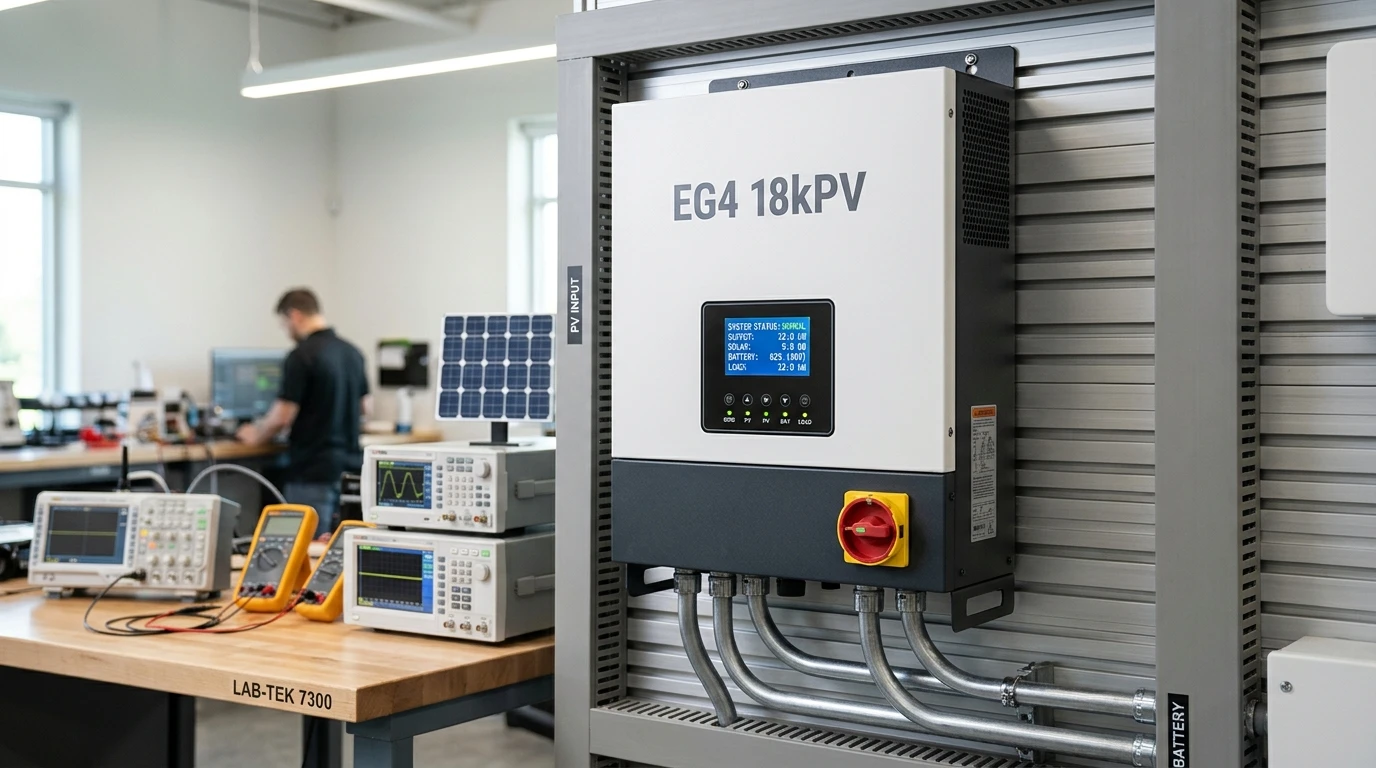
1. EG4 18kPV Hybrid Inverter & 48V Battery Architecture
The gold standard for cost-conscious homeowners seeking whole-house backup without proprietary contractor markups. The 18kPV combines a 12,000W split-phase inverter, three MPPT solar charge controllers (18,000W PV capacity), and an integrated 200A automatic transfer switch into a single UL1741-SB certified enclosure. Connects natively to modular 48V server rack batteries.
Check Current Inverter Deals →
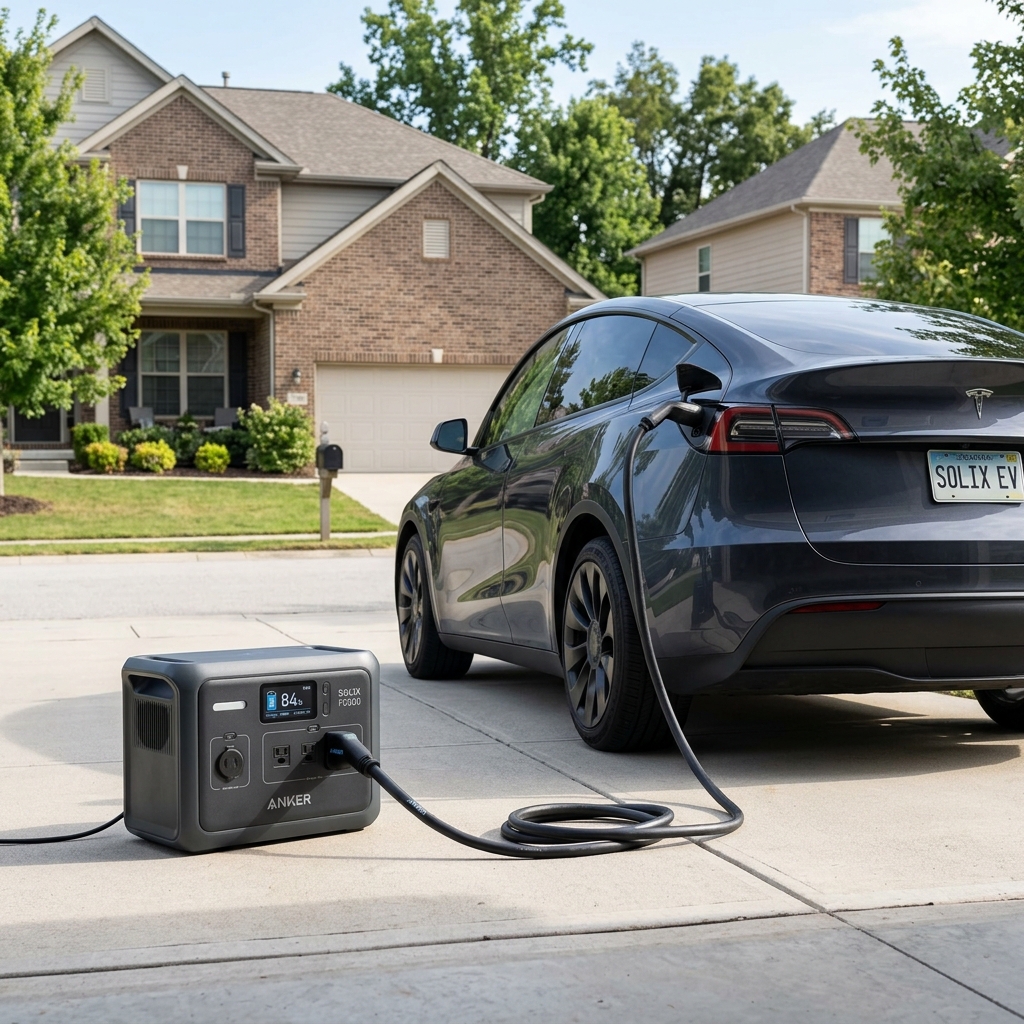
2. Anker SOLIX F3800 Home Backup System
If you want whole-home 240V backup without complex electrical rewiring or utility permitting delays, the F3800 delivers native split-phase power via an onboard NEMA 14-50 outlet. At 3.84 kWh, it qualifies on its own for the 30% federal clean energy tax credit (Section 25D). Plugs directly into standard generator inlet boxes to power refrigerators, well pumps, and lighting circuits.
Check Price & Deals →
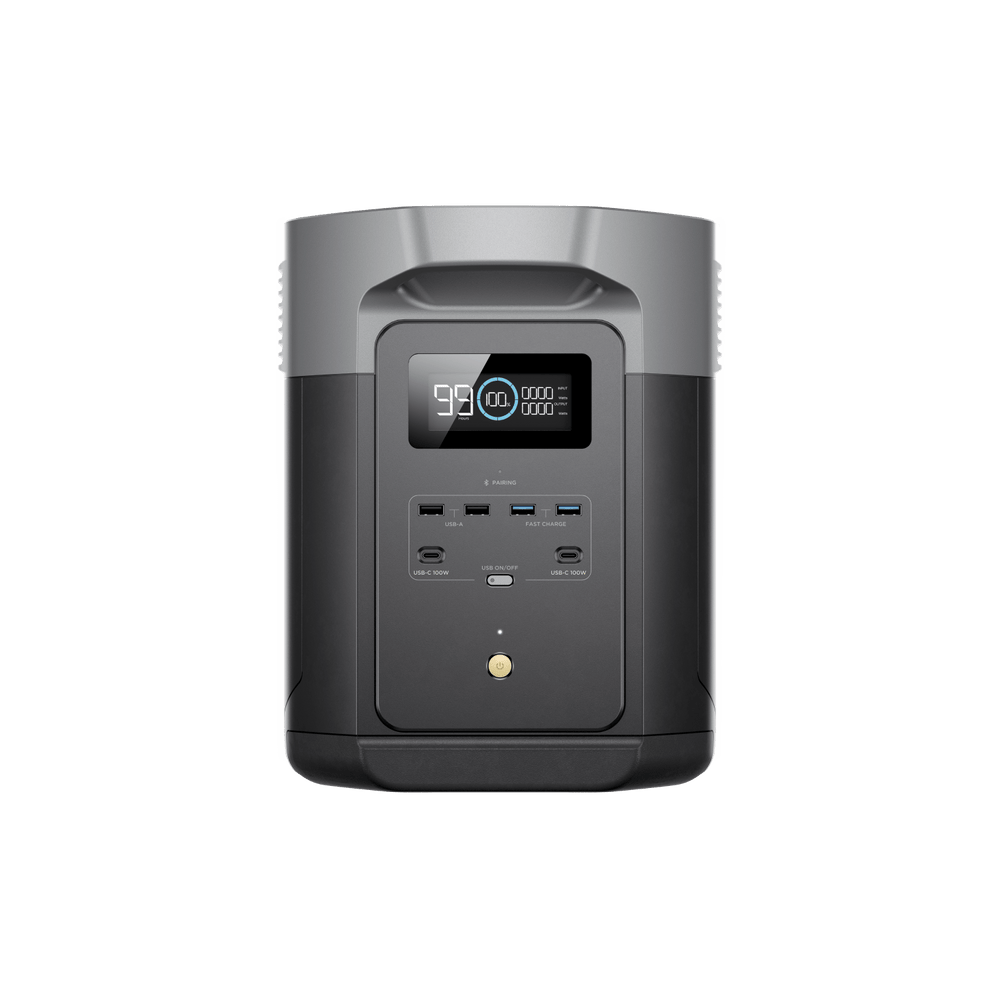
3. EcoFlow DELTA 2 Max
The most versatile entry point into solar self-consumption. With 2,048Wh of LiFePO4 storage and dual independent 500W MPPT inputs (1,000W total), you can power refrigerators, freezers, and entertainment setups completely off-grid. Expandable up to 6.1 kWh with modular add-on batteries.
Check Price & Deals →
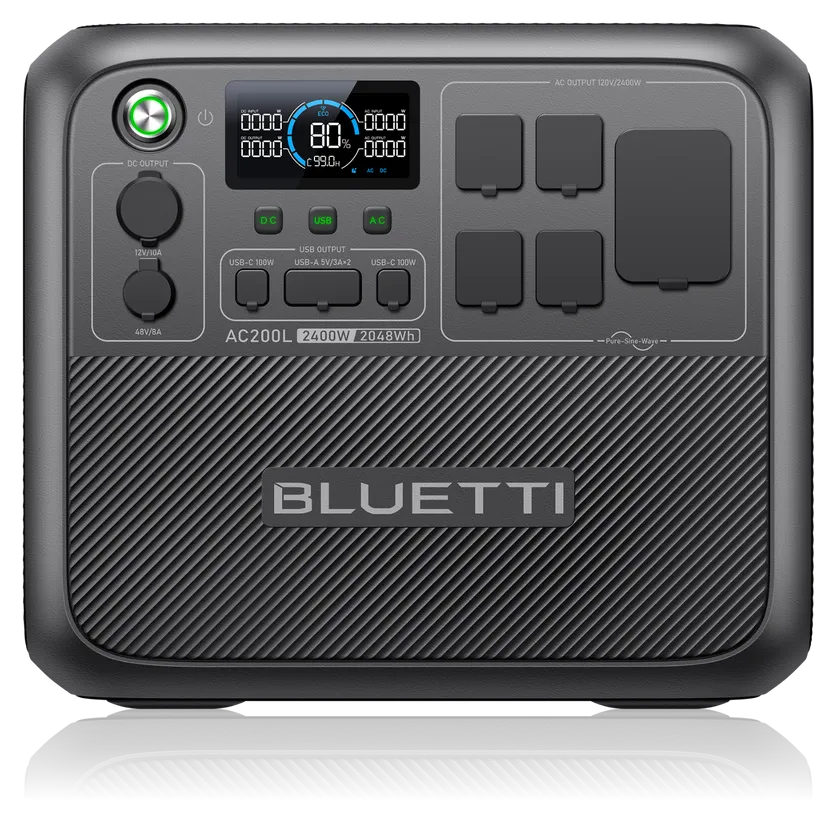
4. Bluetti AC200L
The AC200L is engineered to accept low-cost residential glass solar panels directly through its 145V / 1,200W MPPT controller. Delivering 2,400W pure sine wave power (3,600W PowerLifting), it recharges from 0% to 80% on solar in under 1.8 hours under clear skies.
Check Price & Deals →
Costly Solar Buying Mistakes to Avoid
Before signing any contract or purchasing hardware, guard against these four expensive traps:
Mistake: Overpaying per Watt for Standard Rooftop Solar
National solar quote aggregators and door-to-door sales teams routinely charge $3.80 to $4.50+ per watt. On an 8 kW system, that represents an unnecessary $5,000 to $10,000 markup that provides zero additional hardware or electrical performance. Always collect at least three competing bids from reputable local certified installers.
Mistake: Falling for “Dealer Fee” Financing Scams
Solar financing companies frequently advertise low interest rates (e.g. “2.99% or 4.99% APR”). However, lenders charge installers a “dealer fee” of 20% to 35% of the total system cost to buy down that interest rate, which is added directly to your loan principal. A $24,000 system instantly becomes a $32,000 loan! Always ask for the “cash price” first, then secure financing through a local credit union or home equity line of credit (HELOC).
Mistake: Overlooking Main Electrical Panel Upgrades (MPU)
Older homes with 100A or 125A electrical service panels often cannot accept the backfed solar breaker without violating the NEC 120% rule (NEC Article 705.12). Upgrading your service panel to a 200A or 225A busbar adds $2,200 to $3,800 to project costs. However, panel upgrades qualify 100% for the 30% federal clean energy tax credit when installed alongside solar or battery storage.
Mistake: Forgetting Roof Age and Replacement Costs
Solar panels last 25 to 30 years. If your asphalt shingle roof has less than 8 to 10 years of remaining life, replace the roof before installing solar. Removing and reinstalling a 20-panel solar array for a future roof replacement costs $2,500 to $5,000 in redundant labor.
Frequently Asked Questions (FAQ)
How much does an average 8 kW solar system cost after tax credits?
An average 8 kW solar system costs approximately $23,200 gross. After deducting the 30% federal Residential Clean Energy Credit ($6,960), the net out-of-pocket cost is $16,240. Depending on your state, additional state tax rebates and Solar Renewable Energy Certificates (SRECs) can further reduce the net cost to between $13,000 and $15,000.
Are cheap online solar panel kits worth buying?
Yes, provided they feature Tier-1 N-Type or monocrystalline cells from recognized manufacturers (such as LONGi, Jinko, Canadian Solar, or REC) and come with UL-listed inverters and racking. What you must avoid are uncertified “Amazon mystery kits” featuring low-efficiency poly cells and modified sine wave inverters that lack UL 1741 utility grid certification.
How much does adding a battery storage system add to the total cost?
Adding 10 kWh to 15 kWh of lithium battery backup adds $7,000 to $11,000 gross ($4,900 to $7,700 net after the 30% tax credit) for proprietary AC batteries like the Tesla Powerwall or Enphase 5P. Choosing modular 48V server rack batteries reduces that equipment cost to just $3,500 to $4,500 gross ($2,450 to $3,150 net).
Does going solar completely eliminate my electric bill?
No. Even with 100% solar offset, you will still pay a monthly utility grid connection charge (typically $10 to $25 per month) for being tied to the electrical grid. In addition, under net billing tariffs (NEM 3.0), you may incur minor non-bypassable charges for nighttime electricity imports unless your battery bank covers 100% of evening demand.