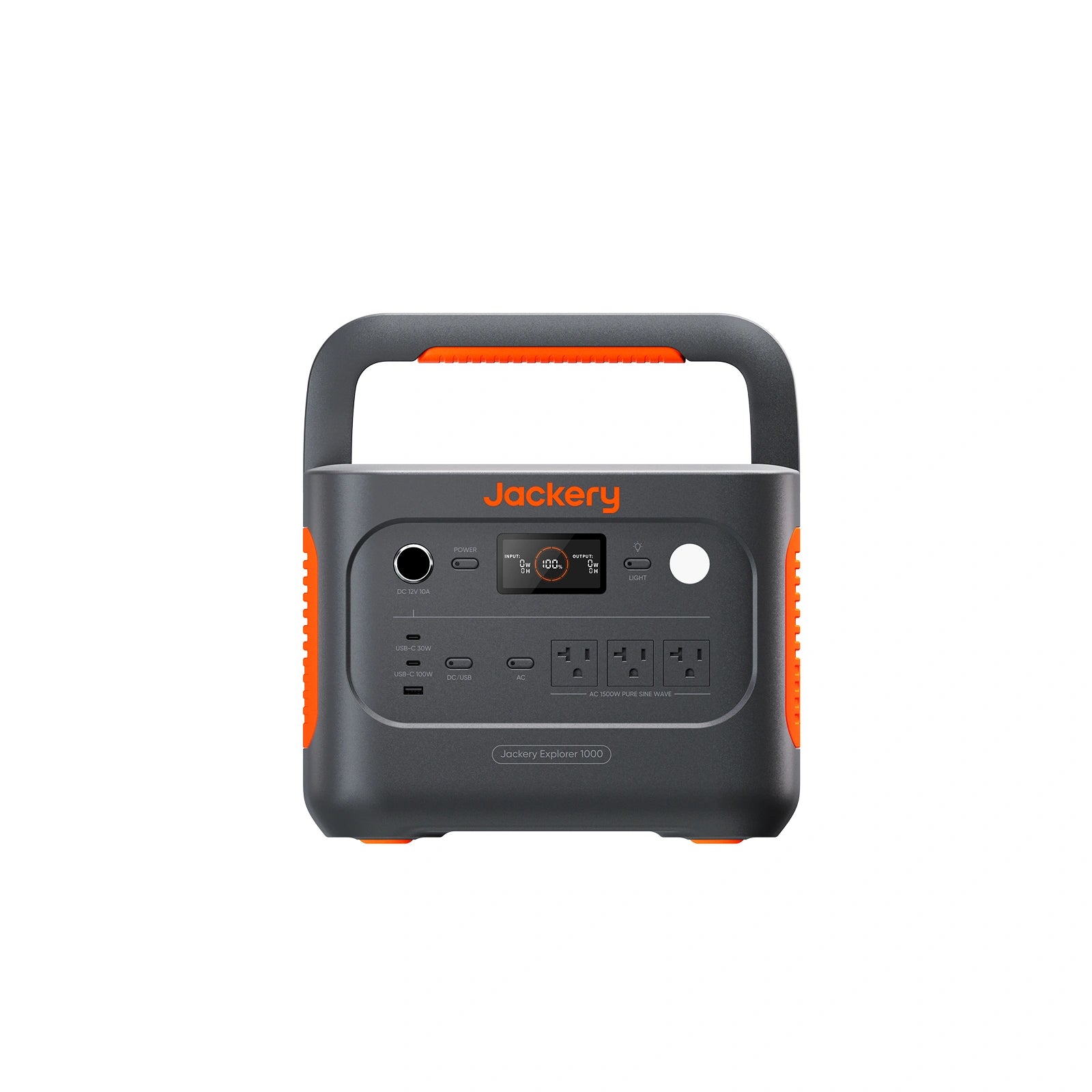
Thousands of remote cabins, homesteads, and hunting retreats across North America are still powered by legacy off-grid solar systems designed a decade ago: a cluster of heavy 6V golf cart lead-acid batteries, a tangled web of 12V automotive wires, and a modest 1,500W modified sine wave inverter that trips whenever someone tries to run a microwave and water pump simultaneously.
In 2026, off-grid living no longer requires rationing a single 12V LED lightbulb or running a noisy gas generator for four hours every evening just to brew coffee and charge power tools.
Thanks to modular Lithium Iron Phosphate (LiFePO4) server rack batteries and all-in-one split-phase hybrid inverters, you can now transform an outdated off-grid cabin into a high-capacity 120V/240V microgrid that runs modern conveniences—including deep-well pumps, air conditioning, induction cooktops, and Starlink—with complete hands-off autonomy.
In this field-tested engineering guide, we walk you through the entire off-grid cabin solar upgrade process. We cover sizing calculations, voltage migration, wiring overhauls, lightning protection, generator integration, and equipment selection.
- Usable Capacity: Restricted to 50% Depth of Discharge (DoD) to avoid destroying battery plates.
- Massive Current & Heat: Drawing 2,400W at 12V pulls an astonishing 200 Amps, demanding thick 4/0 AWG copper cables.
- No 240V Power: Incapable of operating standard 240V submersible well pumps or mini-splits.
- Heavy Maintenance: Constant hydrometer checks, distilled water topping, and toxic outgassing.
- Full Usable Capacity: 85% to 90% DoD with 4,000 to 6,000 cycles (15+ year lifespan).
- Ultra-Low Amperage: Drawing 2,400W at 48V pulls only 50 Amps, running cool on standard 4 AWG or 2 AWG wires.
- Native 120V/240V Split-Phase: Effortlessly runs 240V deep-well pumps, power saws, and air conditioners.
- Smart Auto-Start: Inverter communicates with generator to automatically fire up during prolonged winter blizzards.
The Voltage Migration: Why 48 Volts is Mandatory
The single most critical decision in your cabin upgrade is abandoning 12V and 24V battery banks in favor of a 48V nominal architecture.
The underlying physics stems from Ohm’s Law and the electrical power equation ():
When you operate appliances through an inverter, the continuous power () remains constant, but the required amperage () is inversely proportional to system voltage ():
| Load Power (Watts) | 12V Battery Bus | 24V Battery Bus | 48V Battery Bus | Required Copper Cable (48V) |
|---|---|---|---|---|
| 1,500 Watts (Coffee / Microwave) | 125.0 Amps | 62.5 Amps | 31.2 Amps | 8 AWG wire ($0.85/ft) |
| 3,000 Watts (Well Pump / Table Saw) | 250.0 Amps (Hazard) | 125.0 Amps | 62.5 Amps | 4 AWG wire ($1.90/ft) |
| 6,000 Watts (Whole Cabin Peak) | 500.0 Amps (Impossible) | 250.0 Amps | 125.0 Amps | 1/0 AWG wire ($3.80/ft) |
Cutting Thermal Heat Losses by 93%
Heat loss across copper wires follows Joule’s first law:
Because current () is squared in the loss equation, quadrupling your system voltage from 12V to 48V cuts current by 75%, which reduces thermal line losses through your battery cables by —a staggering 93.75% reduction in wasted energy!
Instead of wrestling with stiff, prohibitively expensive 4/0 AWG welding cables and dangerous 400A fuses, a 48V cabin system operates cleanly and safely on standard 4 AWG conductors.
Sizing Your Cabin Upgrade: Engineering Calculations
To ensure your upgraded system does not run dry during cold, cloudy winter months, size your battery storage and solar PV array using a rigorous three-step formula:
Daily Consumption Audit ()
Catalog every electrical load running in the cabin. Here is a typical modern off-grid cabin load profile:
- DC/AC Efficient Refrigerator: 1,200 Wh/day
- 240V Deep-Well Jet Pump (30 min/day): 650 Wh/day
- Starlink Satellite Internet (24 hrs @ 45W): 1,080 Wh/day
- LED Lighting & Ceiling Fans: 400 Wh/day
- Laptop, Phones & Emergency Radios: 350 Wh/day
- Inverter Idle Standby Tare Loss (50W x 24 hrs): 1,200 Wh/day
- Total Daily Energy Consumption (): 4,880 Wh/day (4.88 kWh/day)
Battery Bank Capacity Sizing (with Autonomy)
Off-grid cabins require a minimum of 2.5 to 3 Days of Autonomy () to survive prolonged storms without requiring immediate generator intervention:
Accounting for LiFePO4 safe depth of discharge () and inverter efficiency ():
Practical Recommendation: One 14.3 kWh WallMount Battery (e.g. EG4 PowerPro) or three 5.12 kWh Server Rack Batteries (totaling 15.36 kWh) provides the perfect sweet spot for whole-cabin autonomy.
Solar PV Array Sizing for Winter Insolation
In summer, most North American locations receive 5.0 to 6.0 Peak Sun Hours (PSH). However, a cabin system must be sized for the worst-case winter month (December/January), where insolation drops to 2.0 PSH in northern latitudes.
Accounting for cold-weather panel derating and MPPT controller efficiency ():
Practical Recommendation: Installing eight 400W to 450W bifacial solar panels yields a 3,200W to 3,600W array, guaranteeing full daily replenishment even during short winter days.
Step-by-Step Cabin Installation Workflow
Follow this systematic installation sequence to avoid damaging sensitive solid-state electronics or creating electrical hazards:
Clear and Prepare the Utility Area
Install inverters and batteries in a dedicated dry utility room, insulated mechanical shed, or walk-out basement. While LiFePO4 batteries produce zero explosive hydrogen gas (unlike lead-acid), they cannot be charged when internal cell temperatures drop below freezing (32°F / 0°C). If your cabin is unheated in winter, choose batteries with built-in internal heating pads (such as the EG4 PowerPro Heated or LifePower4 V2).
Mount the Split-Phase All-In-One Inverter
Fasten your 48V hybrid inverter securely to a 3/4-inch plywood backer board anchored into wall studs. Ensure at least 12 inches of clearance on all sides for convective airflow. All-in-one inverters (like the EG4 6000XP) integrate dual high-voltage MPPT charge controllers, a 6,000W pure sine wave inverter, an AC battery charger, and transfer switching into a single compact chassis.
Wire the 48V Battery Bank with Class T Fusing
Connect the battery bank to the inverter DC terminals using correctly sized copper cables (2 AWG or 1/0 AWG for 6,000W). Install an extremely fast-acting Class T fuse (rated for 20,000A interrupt capacity) directly on the positive cable within 12 inches of the battery terminal. Standard automotive ANL fuses can arc-weld shut during a dead-short across high-discharge lithium cells.
Configure Grounding and Lightning Surge Protection (NEC 250 / 690)
Cabins located on ridges or in clearings face severe lightning risks. Drive two 8-foot copper ground rods spaced at least 6 feet apart. Bond the inverter chassis, battery enclosure, and solar mounting rails to the grounding electrode system using 6 AWG bare copper wire. Install MidNite Solar DC Surge Protective Devices (SPDs) on the incoming PV strings right where they enter the building.
Integrate the 2-Wire Generator Auto-Start
Connect the inverter’s dry-contact auxiliary relay to your generator’s remote-start terminals. Configure the inverter software to automatically start the generator whenever battery State of Charge (SoC) falls below 20%, run for 2 hours to fast-charge the bank back to 70%, and automatically shut off.
Top Recommended Cabin Upgrade Equipment
Based on rigorous off-grid field testing and component reliability assessments, here is our recommended hardware stack for upgrading a remote cabin:
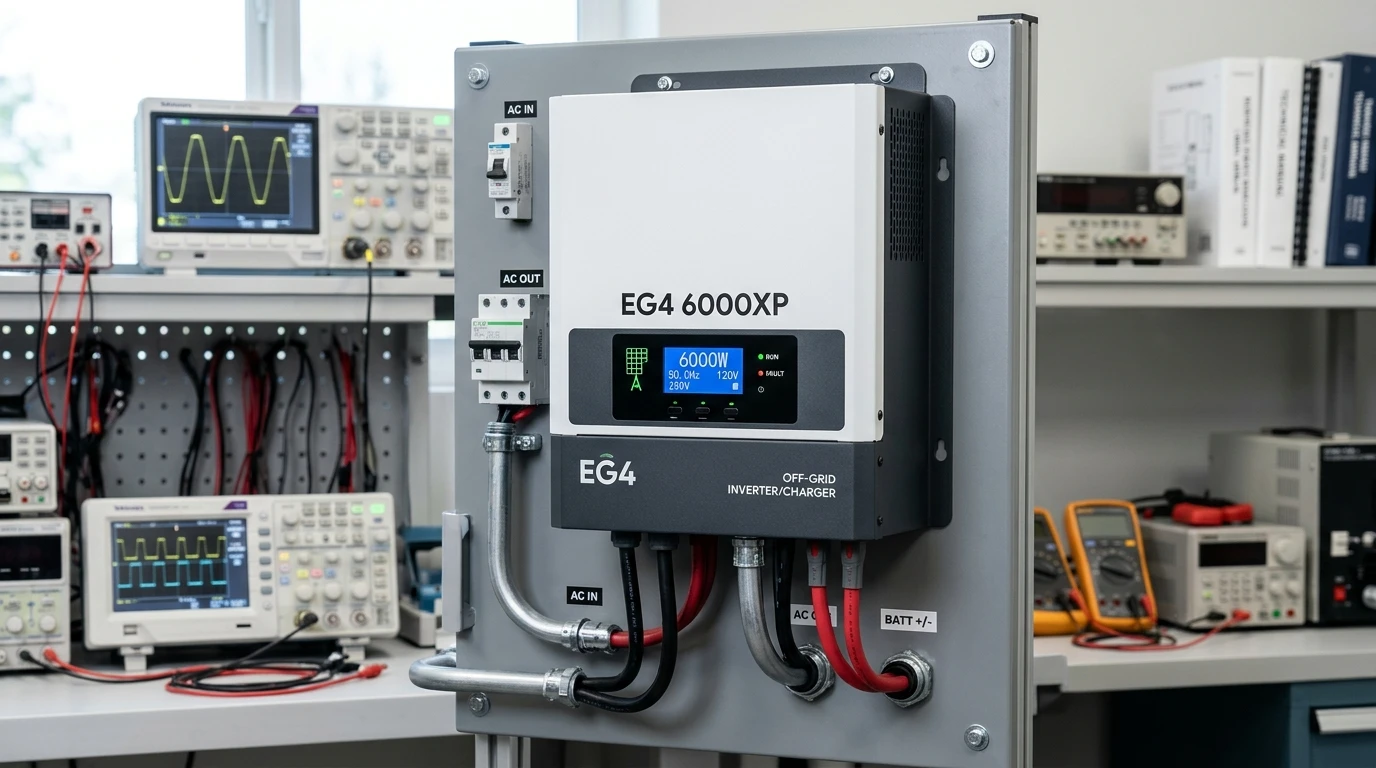
EG4 6000XP All-in-One Inverter
6,000W 120V/240V Split-Phase • Dual 8,000W MPPT
- Native 120V/240V split-phase runs 240V well pumps without extra transformers
- Dual high-voltage MPPT inputs handle up to 480V Voc for easy long-distance wiring
- Built-in 2-wire dry contact generator auto-start controller
Check Best Price on Signature Solar →
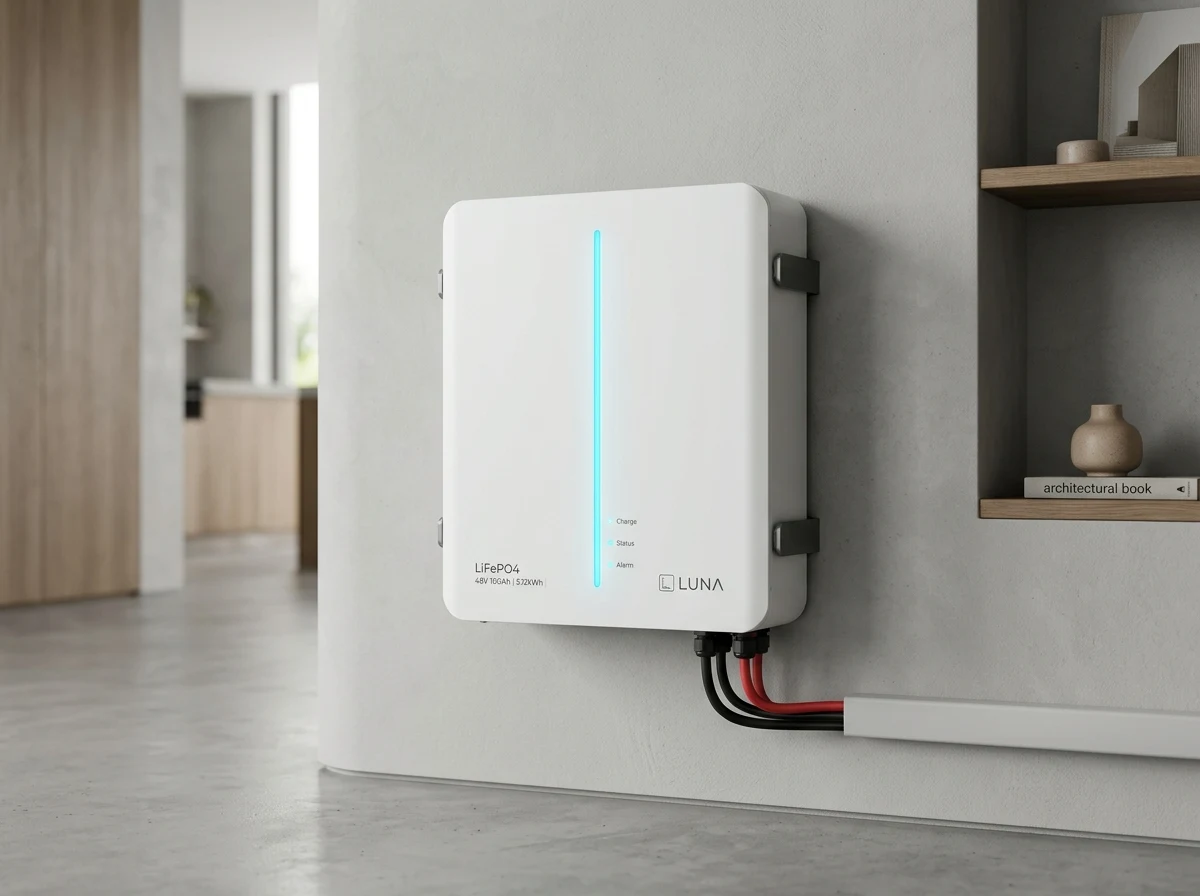
EG4 PowerPro 14.3kWh WallMount
48V 280Ah LiFePO4 • Built-In Heating • 10-Yr Warranty
- Massive 14,336Wh capacity delivers 3+ days of full cabin autonomy
- Integrated internal heating pads allow safe charging in sub-zero winter cabins
- Direct plug-and-play busbar conduit box pairs directly with EG4 inverters
Check Best Price on Signature Solar →
Detailed Reviews: Top Cabin Hardware Picks
1. Signature Solar EG4 6000XP Off-Grid Inverter
The EG4 6000XP has quickly become the undisputed standard for off-grid cabin modernization.
Previously, achieving true 120V/240V split-phase power required stacking two 120V inverters with expensive communication cables or purchasing a heavy $4,000+ commercial hybrid unit. The 6000XP outputs a clean 6,000W of continuous 120V/240V split-phase power natively from a single unit. It features dual independent MPPT controllers capable of accepting solar strings up to 480V DC, allowing you to mount your solar array 150+ feet away in a sunny clearing without suffering crippling voltage drop.
2. EG4 PowerPro 14.3kWh WallMount Battery
For cabins subject to severe freeze-thaw cycles, the EG4 PowerPro solves the single greatest vulnerability of lithium chemistry: cold-weather charging.
Its automated thermal management system utilizes internal warming blankets to preheat cell cores before allowing solar charging current to pass. Storing 14.3 kilowatt-hours of usable energy in an IP65 weather-resistant steel enclosure, a single PowerPro replaces up to sixteen 6V lead-acid batteries while eliminating toxic off-gassing, acid spills, and annual maintenance forever.
Six Critical Cabin Upgrade Mistakes to Avoid
- Reusing Undersized Lead-Acid Cables: When switching to a higher-capacity inverter, never reuse old automotive-grade battery cables. Ensure all DC conductors are rated for 105°C and sized to keep voltage drop below 2%.
- Charging Lithium in Sub-Freezing Conditions: Sending high charging currents into a LiFePO4 cell below 32°F (0°C) causes permanent lithium plating, destroying the cell and creating short-circuit hazards. Always install heated batteries or keep them in temperature-controlled spaces.
- Mounting Solar Panels Flat on Cabin Roofs: Flat-mounted panels collect heavy winter snow that blocks sunlight for weeks. Mount panels on an adjustable ground rack tilted at 55° to 65° so snow naturally slides off.
- Skipping Surge Protective Devices (SPDs): Cabin solar arrays act as giant lightning rods. Failing to install MidNite Solar SPDs on PV combiner boxes frequently results in destroyed charge controllers during summer electrical storms.
- Ignoring Inverter Standby Tare Loss: Large hybrid inverters draw 45W to 70W just idling. Over 24 hours, that accounts for 1,200Wh to 1,680Wh of phantom consumption. Factor this into your winter battery calculations!
- Operating Without an Earth Ground Rod: Off-grid systems are ungrounded “floating” islands unless bonded to earth. Drive two dedicated 8-foot copper-clad grounding electrodes to protect equipment from lightning surges and static buildup.
Frequently Asked Questions (FAQ)
Can I mix my old lead-acid batteries with new lithium LiFePO4 batteries?
No. Never connect lead-acid and lithium batteries in parallel. They possess completely different nominal resting voltages (12.6V vs 13.2V), charging voltage curves, and internal resistance. The lead-acid bank will constantly drag down and drain the lithium bank, severely degrading both. Retire the lead-acid batteries completely or repurpose them for a standalone garden shed.
How do I run a 240V deep-well water pump on an off-grid system?
You must install a split-phase inverter that outputs 120V/240V (with two separate 120V hot legs 180 degrees out of phase, such as the EG4 6000XP or Sol-Ark 15K). Deep-well submersible pumps require substantial surge wattage to start (typically 3,500W to 5,000W surge for a 3/4 HP pump). Ensure your inverter’s surge rating comfortably exceeds your pump’s locked-rotor amperage (LRA).
How do I keep my batteries warm when the cabin is unoccupied in winter?
You have three options:
- Select batteries with built-in internal heating pads (such as the EG4 PowerPro Heated or LifePower4 V2), which draw small amounts of solar power to maintain cell temperature above 41°F.
- Build an insulated battery box with 2-inch rigid foam insulation and a small 12V thermostat-controlled heating pad.
- Program the inverter’s BMS low-temperature cut-off, which allows the batteries to discharge safely down to -4°F (-20°C) to power essential security cameras, while disconnecting incoming charge currents until the ambient temperature rises.
Will high-voltage solar strings work over long distances between the cabin and clearing?
Yes! One of the major advantages of modern inverters like the EG4 6000XP is their high-voltage MPPT range (120V to 480V DC). By wiring 8 to 10 solar panels in series, your string operates at approximately 350V DC at low amperage (under 10A). This allows you to run solar cables 200 to 300 feet from a sunny field to your cabin using affordable 10 AWG PV wire with less than 2% voltage drop!